EU Unveils Plan to Counter Drone Threats Across the Bloc
The European Commission presented a 2.5 billion euro initiative to detect, track, and counter unauthorized drones across the EU. The plan responds to proliferating drone threats demonstrated in Ukraine and incidents at European airports and critical infrastructure.
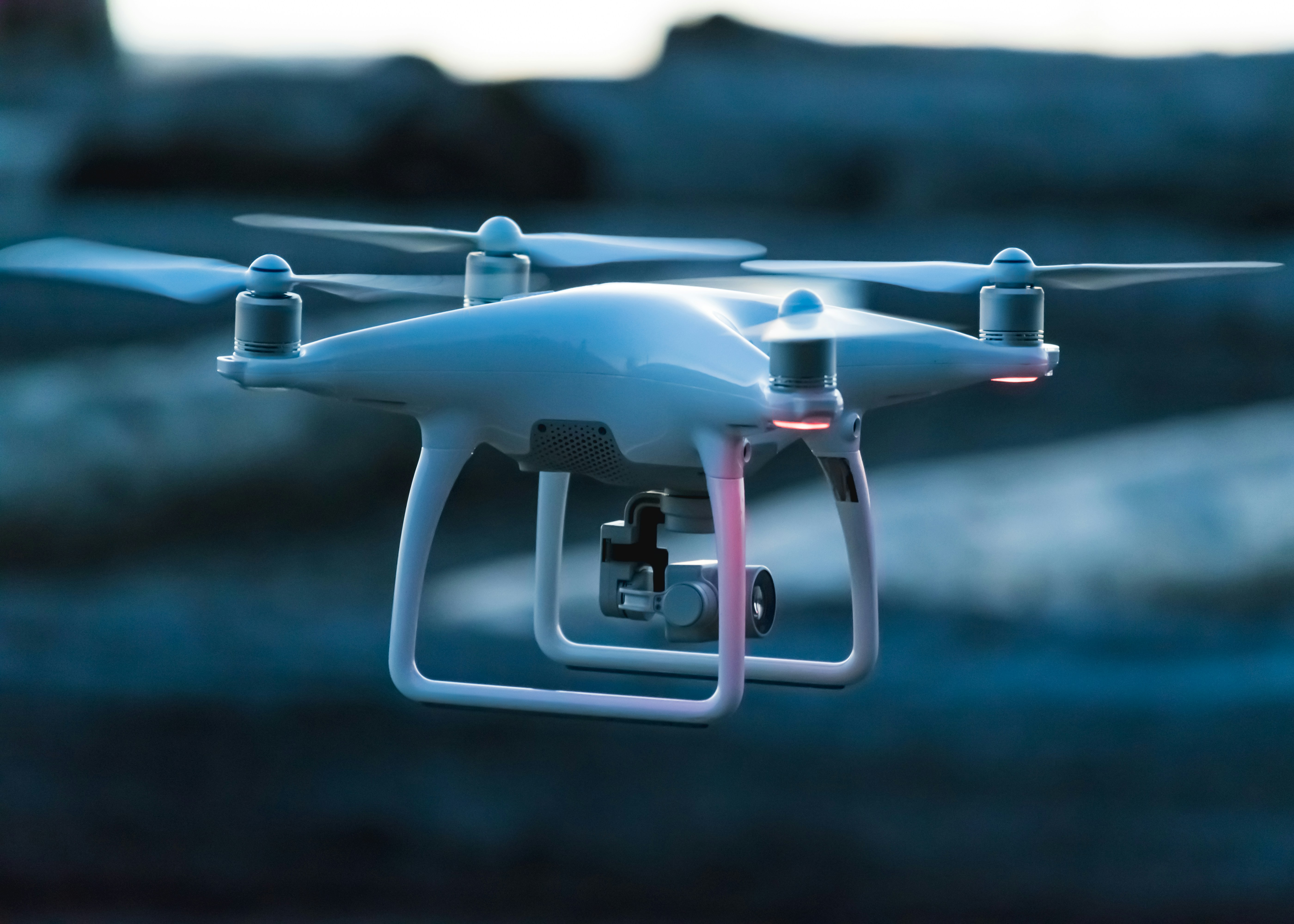
The European Commission unveiled a comprehensive plan to counter drone threats across the bloc, responding to the proliferation of unmanned aerial systems that have transformed both military and civilian security landscapes. The proposal, presented by Internal Market Commissioner Thierry Breton, establishes coordinated detection, tracking, and response capabilities that member states have lacked despite years of discussing the issue.
The drone defense initiative comes as European security officials confront a threat that has evolved rapidly from theoretical concern to practical challenge. Russia's use of Iranian-designed Shahed drones against Ukrainian infrastructure demonstrated the destructive potential of cheap, mass-produced unmanned systems. Incidents across Europe, including unauthorized flights over military installations and critical infrastructure, have underscored vulnerabilities closer to home.
"Europe faces a drone gap," Breton said during a press conference in Brussels. "Our adversaries have invested heavily in drone capabilities while we have debated coordination mechanisms. This proposal ends the debate and begins the work."
What the Plan Contains
The counter-drone initiative operates on three levels: detection, coordination, and response. For detection, the Commission proposes a network of sensors capable of identifying unauthorized drones across the EU's territory, with particular focus on critical infrastructure, border areas, and urban centers. The system would integrate existing national capabilities with new European-level investment.
Coordination mechanisms would allow member states to share information in real time, preventing the gaps that have allowed unauthorized drones to cross borders without triggering responses. A new EU Drone Coordination Center, likely located in Brussels, would maintain situational awareness and coordinate cross-border incidents.
Response capabilities remain primarily national, but the Commission proposes common standards for counter-drone systems, shared procurement of detection equipment, and joint training exercises. The proposal explicitly avoids creating an EU drone defense force, respecting member states' sovereignty over security matters while enabling cooperation.
The timeline calls for basic detection capabilities by 2028 and full operational capacity by 2030. Total investment is estimated at 2.5 billion euros over five years, with the Commission proposing a mix of EU budget contributions, member state investments, and private sector participation.
The Threat Landscape
The proposal responds to a threat that has materialized faster than many anticipated. In addition to military applications demonstrated in Ukraine, European authorities have confronted drone incidents ranging from disruption of civilian airports to surveillance of military installations to delivery of contraband into prisons.
Commercial drones capable of carrying significant payloads now cost a few hundred euros, putting potentially dangerous capabilities within reach of criminal organizations, terrorists, and hostile state actors. The technology continues to advance rapidly, with autonomous navigation, swarm coordination, and extended range becoming standard features.
Security services across Europe have expressed concern about their inability to track and counter unauthorized drones effectively. Current legal frameworks, designed before drone proliferation, often create ambiguities about jurisdiction and response authority. The new proposal includes recommendations for legal harmonization alongside technical measures.
Dutch Considerations
The Netherlands has particular interest in drone defense given its concentrated critical infrastructure. Schiphol Airport, one of Europe's busiest, has experienced multiple drone incidents that disrupted operations. The Port of Rotterdam, vital for European trade, presents an extensive perimeter that current systems cannot fully monitor. Energy infrastructure, including gas facilities and the offshore wind installations that the country increasingly depends on, creates additional vulnerabilities.
Dutch security officials have welcomed the European initiative while emphasizing the need for rapid implementation. The Netherlands has invested in domestic counter-drone capabilities, particularly around airports and government facilities, but acknowledges that a purely national approach cannot address a threat that crosses borders effortlessly.
"Drones don't recognize national boundaries," one Dutch defense official noted. "Neither should our defenses."
The Netherlands is also a significant producer of drone detection technology, giving it commercial as well as security interests in the initiative. Dutch companies including Robin Radar Systems and TNO have developed systems that could contribute to the European network, creating opportunities for industrial participation alongside security benefits.
Implementation Challenges
Despite the urgency, implementation faces significant obstacles. Counter-drone systems must operate in complex electromagnetic environments without interfering with legitimate communications and navigation. Urban deployment raises privacy concerns given that detection systems can also track individuals. Legal frameworks for drone interdiction, particularly in civilian airspace, remain underdeveloped.
Member states have varying threat perceptions and priorities. Eastern European countries facing direct Russian threats see counter-drone capability as existential; western European countries may view it as less urgent. Reconciling these perspectives while maintaining coherent European capability will require sustained diplomatic effort.
The private sector role also presents complications. Many effective counter-drone systems rely on electronic warfare techniques that could be misused. Ensuring that capabilities developed for defense are not diverted to offensive purposes or criminal applications requires careful governance frameworks.
The Commission's proposal acknowledges these challenges while arguing that delay is no longer acceptable. "Perfect should not be the enemy of good," Breton said. "We will refine systems as we deploy them. The alternative is continued vulnerability."
The proposal now goes to the European Parliament and Council for consideration. Given the broad consensus on the need for action, officials expect approval within months, though the detailed implementation regulations will require extensive technical negotiations.
Share this article
Mr. Squorum
Political Analyst
Political analyst specializing in Dutch-EU relations and European affairs.
Related Articles

France Launches 'French Response' Initiative to Combat Disinformation on X and Social Media
France deployed rapid reaction teams to counter coordinated disinformation campaigns, with particular focus on Elon Musk's X platform. The initiative provides educational resources and counter-narratives while avoiding direct censorship.
5 min read
EU Leaders Confront Defense Spending Gap at Belgium Summit
European heads of state gathered at Alden Biesen castle for frank discussions on defense spending, economic competitiveness, and the bloc's response to American unpredictability. Mario Draghi and Enrico Letta delivered sobering assessments of Europe's strategic position.
5 min readComments (0)
Loading comments...