Why Millions of Dutch People Will Stay Awake Until 4 AM to Watch a Sport They Don't Understand
At 12:30 AM Monday, millions of Europeans will do something economically senseless: stay awake to watch American football. In the Netherlands alone, 1.2 million viewers will tune in to Super Bowl LX, despite American football barely existing in Dutch sports culture.
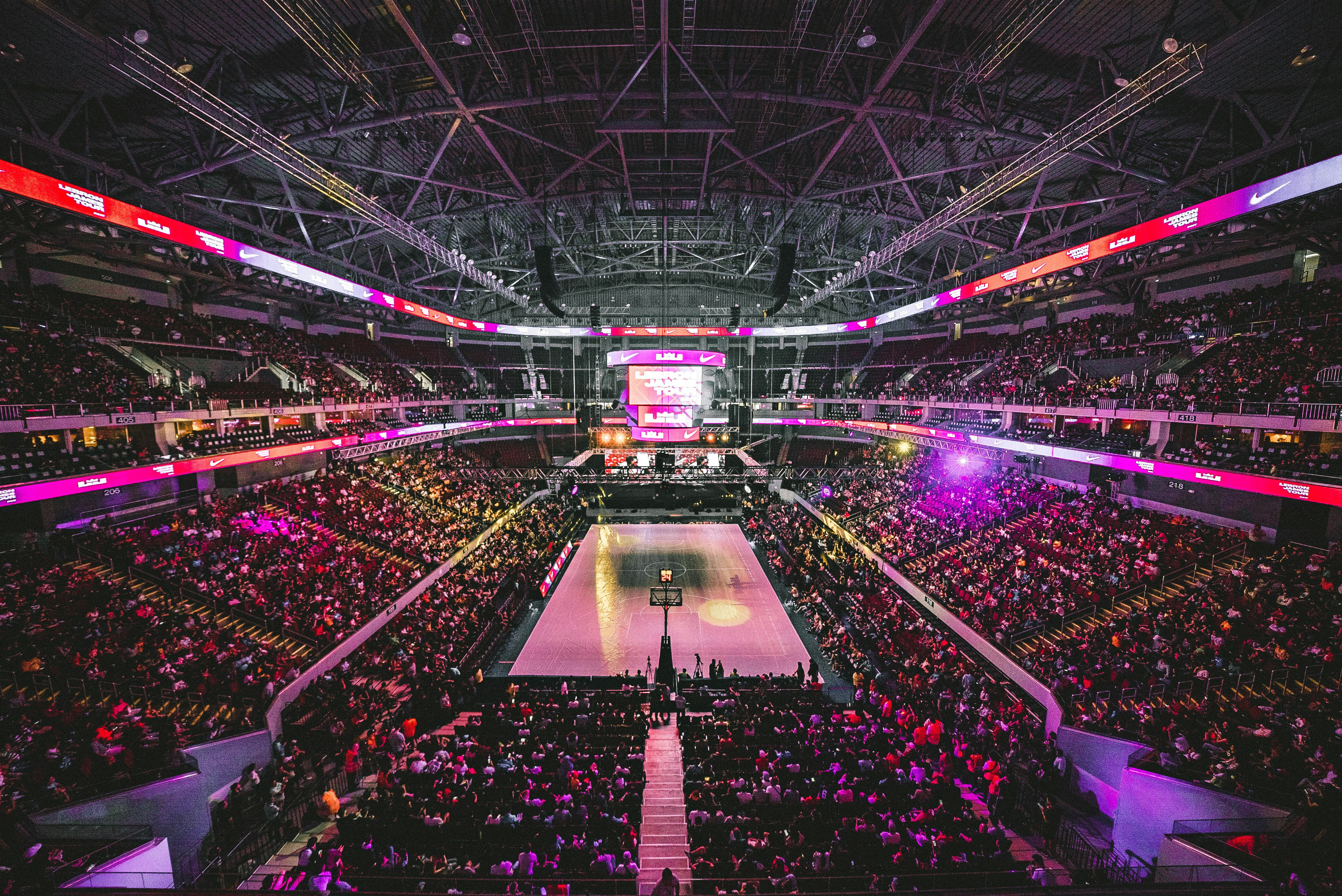
At precisely 12:30 AM Central European Time on Monday morning, millions of Europeans will do something that makes no economic sense whatsoever: they will stay awake to watch American football. Super Bowl LX between the New England Patriots and Seattle Seahawks kicks off at what counts as a reasonable hour in California but qualifies as middle-of-the-night lunacy in Amsterdam, Paris, and Berlin.
Yet the NFL's European audience keeps growing. According to league data, more than 18 million Europeans watched last year's Super Bowl despite the scheduling nightmare. In the Netherlands alone, viewership hit 1.2 million, a remarkable figure for a country of 18 million people watching a sport that barely exists in local recreation leagues.
The question is why. American football has no grassroots presence in most of Europe. The rules are Byzantine. The constant commercial breaks drive continental viewers accustomed to 90-minute football matches mad. But somehow, the Super Bowl has become appointment television for a significant European audience that wouldn't dream of watching a regular season NFL game.
The Dutch Paradox
The Netherlands presents a particularly interesting case study. Dutch sports culture revolves around soccer, speed skating, and field hockey. American football barely registers. There is no professional league. University teams play to crowds that could fit in a large living room. Finding a place to buy proper equipment requires importing from Germany or ordering online.
Yet the Dutch Super Bowl audience has grown 40% over the past five years. RTL7, which broadcasts the game with Dutch commentary, reports that viewership peaks around 2:00 AM as Europeans wake up for the halftime show and stick around for the second half. The most popular viewing format involves gathering at sports bars that stay open specifically for the game, creating a festival atmosphere around an American spectacle most attendees don't fully understand.
"I couldn't explain what holding is if my life depended on it," admitted Maarten van Dijk, a 32-year-old software engineer from Utrecht who has attended Super Bowl viewing parties for the past six years. "But there's something compelling about the whole production. It's less a sporting event than a cultural phenomenon you feel obligated to witness."
This captures the European Super Bowl experience. It's not really about understanding American football. It's about participating in a global media event, seeing the halftime show everyone will discuss the next day, and engaging with American culture at its most ostentatious. The game itself is almost beside the point.
The NFL's European Gambit
The league understands this dynamic and has spent the past decade aggressively courting European audiences despite having no realistic prospect of establishing American football as a mass participation sport on the continent. The strategy centers on making the NFL a media product rather than a sporting institution.
This year's Super Bowl in particular tests that strategy. Bad Bunny's halftime show will appeal to European audiences in ways a more American-centric act might not. The Puerto Rican reggaeton star has massive European followings, particularly in Spain and among younger demographics across the continent. Green Day's pre-game performance similarly skews toward international rock audiences rather than purely American tastes.
The NFL has also invested heavily in localized broadcasting. German-language coverage on ProSieben, French commentary on L'Équipe, Dutch coverage on RTL7 all feature former players and coaches who explain the game for audiences who may be watching their first American football game. The broadcasts lean into the spectacle rather than assuming technical knowledge.
"We treat it like covering the World Cup final," explained Hans Jansen, RTL7's lead NFL commentator. "Most of our audience tunes in once a year. We can't assume they know what a safety is or why teams punt on fourth down. But we can assume they're interested in the cultural event and want to understand enough to follow the narrative."
The Economics Don't Work (Yet)
Here's the uncomfortable truth: European NFL viewership doesn't generate proportional revenue. The overnight timing means fewer commercial opportunities. European advertising rates are lower than American ones. The audience is large but shallow-millions watch the Super Bowl while almost none watch regular season games.
The NFL plays four regular season games in Europe each year, split between London, Frankfurt, and Munich. These sell out immediately, demonstrating demand for the live experience. But television viewership for those games, which air at European-friendly afternoon times, barely exceeds Super Bowl numbers despite the scheduling advantage. The audience wants the event, not the sport.
This creates a paradox for the league's European expansion plans. Commissioner Roger Goodell has repeatedly floated the idea of a European franchise, possibly based in London. The logic goes that passionate fans who pack Tottenham Hotspur Stadium for Jacksonville Jaguars games would support a permanent team.
But the Super Bowl viewership pattern suggests otherwise. Europeans engage with the NFL as spectacle, not as sporting competition. They'll stay up until 3 AM to see Bad Bunny at halftime. They won't necessarily tune in at 6 PM on a Sunday to watch that hypothetical London franchise play the Tennessee Titans in Week 7.
Tonight's Game From a European Lens
For European viewers, Super Bowl LX offers a particularly accessible narrative. Both teams feature comeback stories that translate across cultural boundaries. Sam Darnold's resurrection from NFL castoff to conference champion resonates with European sports culture's love of redemption arcs. Drake Maye's sophomore brilliance fits European football's appreciation for young prodigies making immediate impact.
The Patriots-Seahawks rematch from 2015 also provides built-in drama that requires no cultural translation. Even casual European viewers remember Malcolm Butler's goal-line interception, if only from the viral video that circulated for weeks afterward. The revenge narrative writes itself.
The game's defensive focus may actually help European viewership. Low-scoring defensive struggles frustrate American audiences accustomed to shootouts, but European sports fans raised on 1-0 soccer victories understand defensive excellence. The Seahawks' top-ranked defense against the Patriots' opportunistic one creates tension that doesn't require constant scoring to maintain interest.
Bad Bunny's halftime show will likely draw the European audience peak. The Puerto Rican artist's European tour dates consistently sell out major venues, and his streaming numbers in Spain, France, and the Netherlands rival those in Latin America. For many European viewers, the halftime show IS the Super Bowl, with the game providing context rather than the other way around.
The Dutch Bars Will Be Full
In Amsterdam's Leidseplein district, three sports bars have advertised all-night Super Bowl parties. In Rotterdam, a cinema is showing the game on its largest screen with tickets sold out weeks in advance. In The Hague, expat American communities will gather at traditional viewing spots, joined by growing numbers of Dutch locals who have adopted the Super Bowl as an annual tradition.
None of this means American football is taking root in the Netherlands or broader Europe. The fundamental barriers remain: no youth participation, no professional infrastructure, rules that seem designed to confuse rather than clarify. But the Super Bowl has transcended its sport in ways that don't require sustained engagement.
Van Dijk, the Utrecht software engineer, summed it up: "I have no interest in watching NFL games. But the Super Bowl is different. It's like Eurovision or the World Cup final. You watch because everyone watches. You participate in the global conversation. And if Drake Maye throws six touchdowns, maybe I'll even understand what's impressive about it."
Kickoff is at 12:30 AM. The Dutch bars will be full. Bad Bunny will perform around 2:00 AM to maximum European audience. And by 4:30 AM, millions of Europeans will stumble to bed having participated in an American cultural ritual they don't fully understand but can't quite resist.
The NFL counts that as victory enough.
Share this article
Mr. Squorum
Political Analyst
Political analyst specializing in Dutch-EU relations and European affairs.
Related Articles

Leerdam Wins Olympic Gold, Leads Dutch One-Two in Women's 1000m Speed Skating
Jutta Leerdam claimed Olympic gold with a record-breaking 1:12.31 in the women's 1000 meters, while compatriot Femke Kok took silver with 1:12.59. The Dutch one-two ended the Netherlands' medal drought at Milan Cortina.
5 min read
Seattle's Revenge: Seahawks Smother Patriots 29-13 in Defensive Super Bowl Masterclass
The Seattle Seahawks captured their second Super Bowl championship with a dominant 29-13 victory over the New England Patriots, avenging their heartbreaking 2015 loss. Kenneth Walker III earned MVP honors while Seattle's defense sacked Drake Maye six times.
5 min readComments (0)
Loading comments...