Amsterdam Bans Burger Billboards: Saving the Planet, 0.1% at a Time
The Dutch capital becomes the first in the world to ban meat advertising. The climate is saved-sort of.
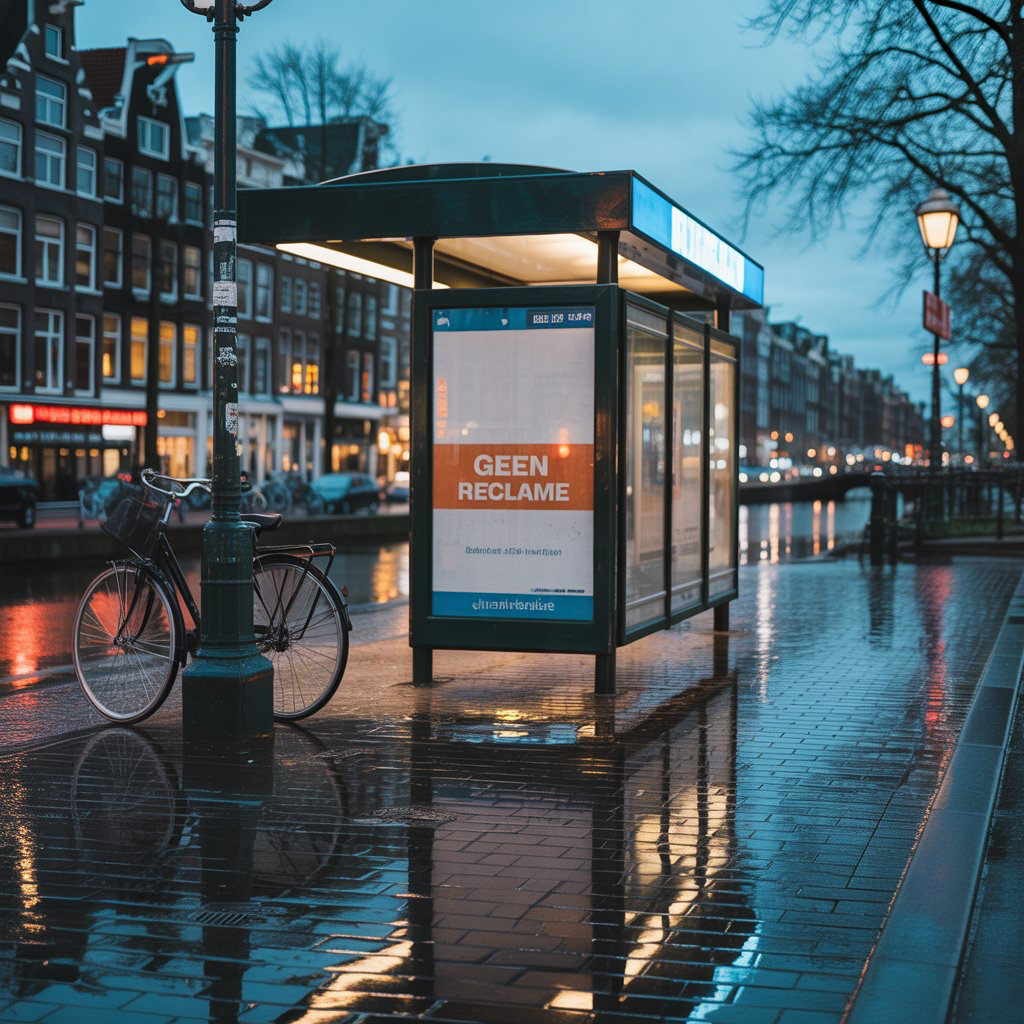
Amsterdam has done it. On Thursday, the city council voted to ban advertisements for meat and fossil fuels from public spaces. No more hamburger billboards at bus stops. No more cruise ship dreams on metro platforms. The planet can finally breathe.
Well, 0.1% of it can.
That's the share of outdoor advertising in Amsterdam that actually features meat. Fossil fuels clock in at a slightly more impressive 4.3%. Combined, we're looking at roughly one in twenty ads. The revolution, it seems, will be somewhat incremental.
The Symbolic Politics of the Bus Shelter
GroenLinks councillor Jenneke van Pijpen celebrated the vote as "an important victory for the climate and public health." And she's not wrong, symbolically speaking. Amsterdam joins a growing list of Dutch cities (The Hague, Utrecht, Delft, Nijmegen) that have decided the real problem with climate change is that people keep seeing pictures of hamburgers while waiting for the tram.
The ban covers billboards, bus shelters, and metro stations. Butchers can still put "BIEFSTUK" in their shop windows. KFC can still exist. You can still buy a diesel car, you just won't be reminded that you can while contemplating the meaning of existence at Centraal Station.
Alderman Melanie van der Horst, tasked with implementing this brave new world, offered a note of caution: the ban might conflict with existing advertising contracts. Some of those run for a decade. Companies might sue. The city might have to pay compensation. But surely, a few million euros is a small price to pay for the moral satisfaction of knowing that somewhere in De Pijp, a tourist is not being exposed to a Whopper.
First Capital in the World
To be fair, Amsterdam is genuinely breaking ground here. It's the first capital city in the world to ban meat advertising for environmental reasons. That's not nothing. The livestock industry accounts for roughly 14.5% of global greenhouse gas emissions. Advertising shapes consumer behaviour. The logic isn't crazy.
The question is whether banning 0.1% of bus shelter ads in a city of 900,000 will meaningfully shift that needle, or whether this is the political equivalent of sorting your recycling while the house burns down. Both things can be true: it's a principled stand, and it's also a rounding error.
Eurovision, But for Climate Policy
There's something very Dutch about this. The Netherlands has a long tradition of being approximately 15 years ahead of everyone else on social policy, then acting surprised when the rest of the world doesn't immediately follow. Same-sex marriage, euthanasia, legal cannabis (sort of), and now: meat-free billboards.
It's also very Dutch to have the debate centre not on whether banning meat ads is a good idea, but on whether the implementation timeline is administratively convenient. Van der Horst's primary concern wasn't the principle, it was that May 1st is "too soon" for a "reasonable transition period." The climate emergency will have to wait for proper stakeholder consultation.
What It Actually Means
For Amsterdam residents: you will notice approximately nothing. The overwhelming majority of ads will remain unchanged. McDonald's will find other ways to reach you. Shell already did, they've been banned from metro stations since 2021 but somehow survived.
For the broader European policy conversation: this matters. Amsterdam joins a growing coalition of cities using advertising regulation as a climate tool. When enough capitals do it, Brussels eventually notices. The EU already banned tobacco advertising. Fossil fuels might be next.
For the Dutch meat industry: relax. This isn't about you. It's about demonstrating values, winning coalition votes, and generating exactly the kind of international headlines you're reading right now.
The planet warms. The seas rise. Amsterdam bans burger billboards. Progress comes in mysterious forms.
Share this article
Mr. Squorum
Political Analyst
Political analyst specializing in Dutch-EU relations and European affairs.
Related Articles

German-Turkish Director Ilker Catak Wins Golden Bear at Berlinale for Political Drama Yellow Letters
The 76th Berlin Film Festival concludes with politically charged ceremony as Yellow Letters takes top prize and Sandra Huller wins Best Performance for Rose.
4 min read
Slovakia Threatens to Cut Electricity Supply to Ukraine as Fico Escalates Energy Dispute
Slovak Prime Minister announces plans to halt electricity transmission to Ukraine from Monday, escalating tensions with Kyiv over energy transit issues.
4 min readComments (0)
Loading comments...