Brussels Crosses the Rubicon: EU Designates Iran's Revolutionary Guard as Terrorist Organisation
After years of hesitation, Europe's foreign ministers unanimously blacklist the IRGC following Tehran's bloody crackdown on protesters.
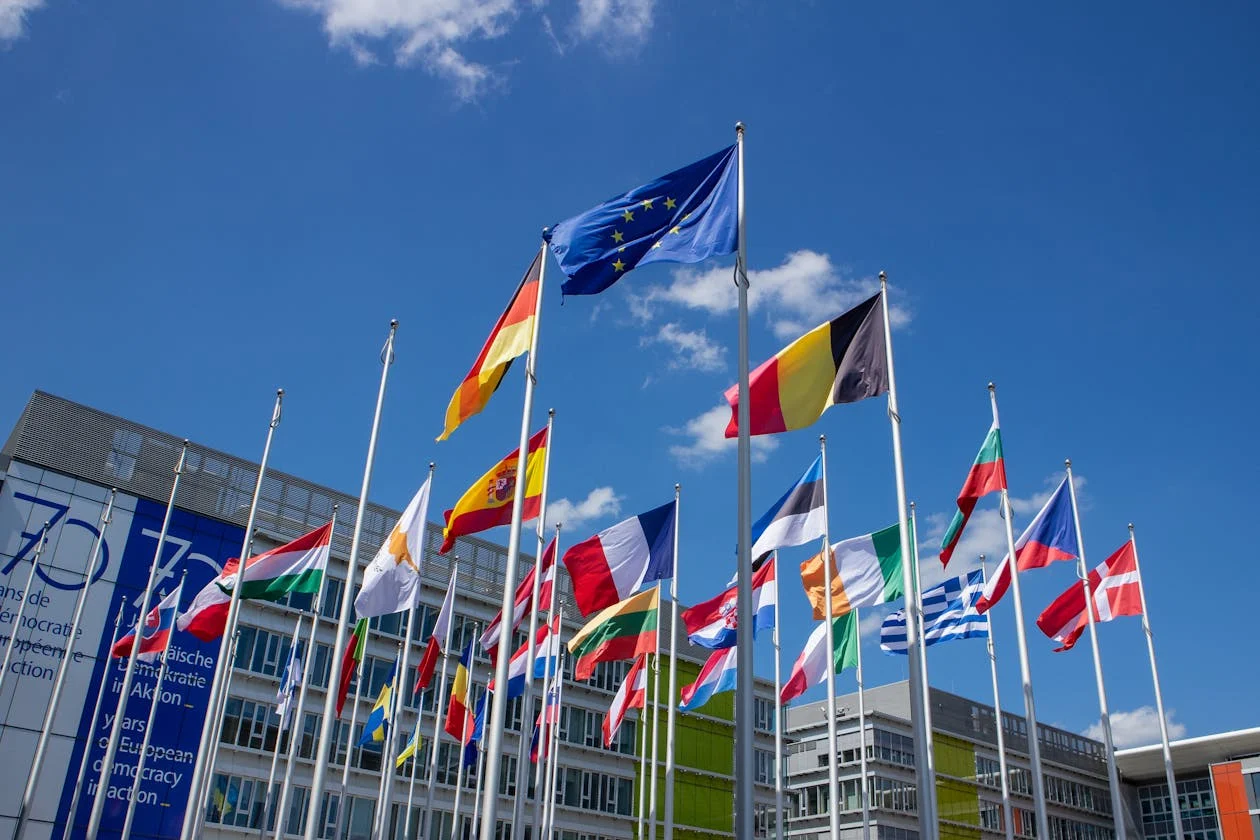
The European Union on Thursday took the step it had long avoided: designating Iran's Islamic Revolutionary Guard Corps as a terrorist organisation. The decision, reached unanimously by the bloc's foreign ministers meeting in Brussels, places the IRGC alongside al-Qaeda, Hamas, and the Islamic State on Europe's terrorism blacklist, a highly symbolic rebuke to Tehran's brutal suppression of anti-government protests.
"Repression cannot go unanswered," declared EU High Representative Kaja Kallas. "Any regime that kills thousands of its own people is working toward its own demise. If you act as a terrorist, you should also be treated as a terrorist."
The designation introduces an asset freeze on all IRGC members, prohibits the provision of funds to the organisation, and imposes travel bans on its personnel. While many senior IRGC figures were already subject to individual EU sanctions, the blanket designation transforms Europe's legal and political posture toward the force that has served as the backbone of the Islamic Republic since 1979.
What Changed?
For years, European capitals resisted the designation, fearing it would close diplomatic channels with Tehran and complicate efforts to revive the Iran nuclear deal. France, in particular, had long championed maintaining dialogue. But the scale of violence in early January, when Iranian security forces killed thousands of protesters in what human rights groups are calling the bloodiest crackdown since the 1979 revolution, proved a threshold too far.
- Finnish Foreign Minister Elina Valtonen
The US-based Human Rights Activists News Agency (HRANA) has verified over 6,300 deaths from the recent crackdown, with more than 17,000 cases still under review. Some estimates place the true toll in the tens of thousands. "The scale of killing inside Iran really did cross a threshold," said Ellie Geranmayeh, senior policy fellow at the European Council on Foreign Relations.
Dutch Diplomacy in the Lead
The Netherlands, alongside Germany, had long been among the most vocal advocates for the IRGC designation. Dutch Foreign Minister David van Weel welcomed the decision with evident satisfaction: "I think it's important that we send the signal that the bloodshed that we've seen, the bestiality that has been used against protesters cannot be tolerated."
Van Weel dismissed concerns that Tehran might retaliate by severing diplomatic ties. "If they chose to cut off diplomatic channels, that would be in their worst interest," he said. The Dutch government has repeatedly highlighted IRGC-linked threats on its soil, including assassination plots and surveillance operations targeting dissidents.
THE IRGC: A STATE WITHIN A STATE
- Founded: 1979, after the Iranian Revolution
- Estimated troops: 150,000-190,000
- Basij militia members: ~450,000
- Controls: Army, navy, air force, intelligence, special forces
- Foreign operations: Quds Force (designated terrorist by US since 2007)
- Economic influence: Controls significant portions of Iranian industry and infrastructure
Tehran's Furious Response
Iran reacted with predictable fury. Foreign Minister Abbas Araghchi condemned the designation as "illegal, political and contrary to international law," accusing Europe of "fanning the flames" at a moment of acute regional tension. In a pointed reference to the Gaza conflict, Araghchi accused the EU of "selective outrage," noting the bloc's failure to hold Israel accountable while rushing to "defend human rights in Iran."
The Iranian Foreign Ministry warned of "hazardous consequences" and suggested that European policymakers would bear direct responsibility for any regional escalation. The statement described the IRGC as a "counterterror" force, citing its role in fighting the Islamic State.
What Happens Now?
Formal adoption of the blacklisting is expected within days. The practical effect is that any IRGC member entering EU territory can now be detained, a significant escalation from the previous sanctions regime that targeted individuals.
Kallas sought to reassure that diplomatic channels would remain open, noting that Iran's Foreign Minister is not covered by the designation. "These risks have been calculated," she said. But with U.S. naval forces moving toward the Persian Gulf and President Trump threatening military action if Iran refuses nuclear negotiations, the EU's decision adds another combustible element to an already volatile situation.
The designation also aligns Europe more closely with the United States, Canada, and Australia, all of which had previously blacklisted the IRGC. For the Netherlands, which pushed hardest for this outcome, Thursday's decision represents a vindication of persistent diplomacy, and a clear signal that some lines, once crossed, demand a response.
Share this article
Mr. Squorum
Political Analyst
Political analyst specializing in Dutch-EU relations and European affairs.
Related Articles
The Mother of All Deals: EU and India Forge Historic Trade Pact as Trump Watches from the Sidelines
After nearly two decades of on-and-off negotiations, the European Union and India have finally concluded a landmark free trade agreement. The timing, of course, is not coincidental.
6 min read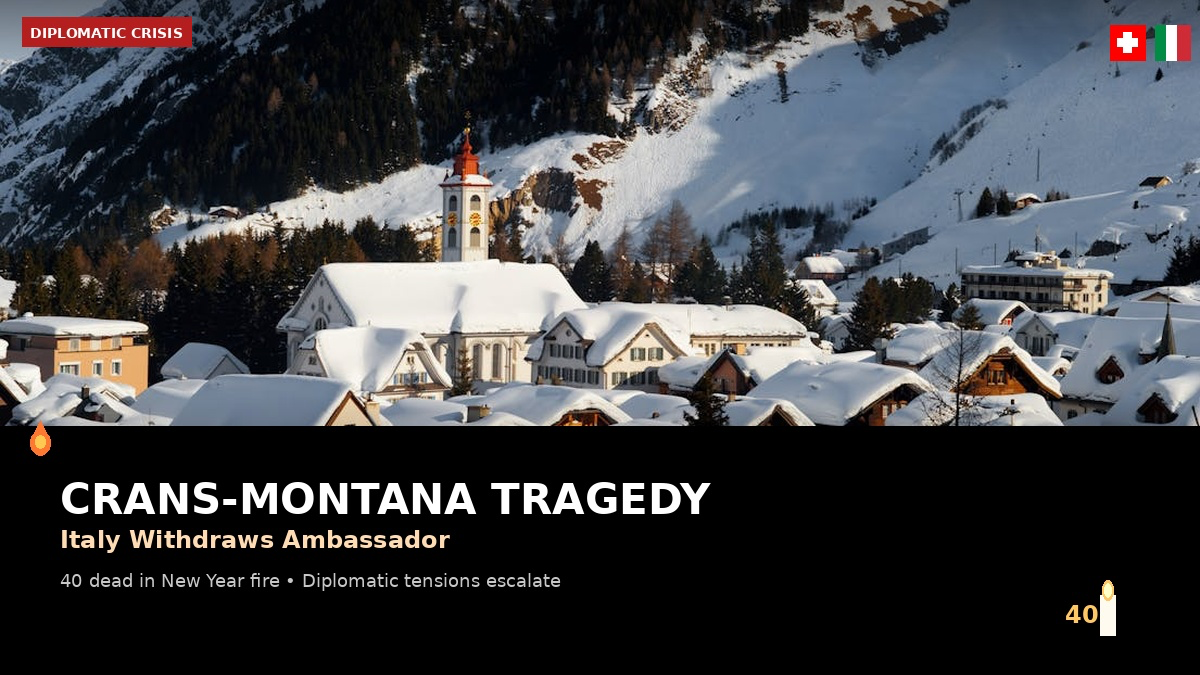
When Justice Feels Like an Insult: Italy's Fury at Switzerland
40 dead in a New Year's fire. The bar owner walks free on bail. And now, a diplomatic crisis between two Alpine neighbors.
3 min readComments (0)
Loading comments...