The Mother of All Deals: EU and India Forge Historic Trade Pact as Trump Watches from the Sidelines
After nearly two decades of on-and-off negotiations, the European Union and India have finally concluded a landmark free trade agreement. The timing, of course, is not coincidental.

There is something almost poetic about watching two of the world's largest economies quietly shake hands while the loudest voice in the room threatens everyone with tariffs. On January 27, 2026, the European Union and India officially concluded negotiations on what both sides are calling the "mother of all deals," a comprehensive free trade agreement that creates a market of two billion people and covers roughly a quarter of global GDP.
The agreement, announced at an EU-India summit in New Delhi with European Commission President Ursula von der Leyen and Indian Prime Minister Narendra Modi beaming for the cameras, represents a significant moment in global trade. Not just because of its scale, but because of what it reveals about the shifting dynamics of international commerce in an era where the United States has apparently decided that allies are simply competitors who have not yet been properly threatened.
Two Decades in the Making
Trade negotiations between the EU and India first began in 2007. They were suspended in 2013, revived in 2022, and have now finally crossed the finish line. That nineteen-year journey is a testament to just how difficult it is to bridge the gap between two fundamentally different economic philosophies. India, for all its economic growth, has traditionally maintained a protectionist stance on key sectors like agriculture and automobiles. The EU, meanwhile, has its own sacred cows, particularly around services and regulatory standards.
The fact that these talks accelerated so dramatically in the final months of 2025 and early 2026 is not coincidental. Both Brussels and New Delhi found themselves facing the same problem: an American president who views tariffs not as a policy tool but as a form of recreational bullying. India has been slapped with 50% tariffs by the Trump administration, ostensibly as punishment for continuing to purchase Russian oil. The EU, meanwhile, has spent the past year dodging tariff threats tied to everything from steel production to the absurd question of whether Greenland should become American territory.
What the Deal Actually Contains
The agreement eliminates or reduces tariffs on more than 90% of goods traded between the two sides. For the EU, this means better access to a market of 1.4 billion consumers. European car manufacturers will see tariffs drop to 10% with an annual quota of 250,000 vehicles. Machinery, chemicals, and pharmaceuticals will enjoy even more favorable treatment.
For India, the benefits are concentrated in labor-intensive sectors. Textiles, leather goods, footwear, and gems and jewelry will now enter the European market duty-free. These are precisely the sectors that have been crushed by American tariffs, and the timing of this European lifeline is not lost on anyone in New Delhi. Indian Commerce Minister Piyush Goyal suggested the textile sector alone could create six to seven million jobs as a result of the agreement.
The services provisions are equally significant. Indian IT professionals and service providers gain expanded access to the European market, while the EU secures the most favorable services commitments India has ever granted to any trading partner. There is even a mobility agreement that will make it easier for Indian students and skilled workers to move to Europe.
The Geopolitical Subtext
Trade agreements are never just about trade. They are statements of alignment, signals of where a country sees its interests lying in an uncertain world. The EU-India deal is as much a diplomatic document as an economic one.
For the European Union, this agreement represents a conscious effort to reduce dependence on both Chinese supply chains and American goodwill. The Draghi report last year made clear that Europe needs to invest an additional 800 billion euros annually just to remain competitive. Forging new trade relationships with large, growing economies like India is part of that strategy.
For India, the calculation is slightly different. New Delhi has been pursuing what some observers call "multi-alignment," signing trade deals with everyone from the United Kingdom to the Gulf states to the European Free Trade Association. The goal is to ensure that no single trading partner, whether it is the United States, China, or Europe, has enough leverage to dictate terms.
Prime Minister Modi put it diplomatically when he praised the deal as an example of how "two great democracies can work together." But the subtext was clear enough: India will not be bullied into abandoning its economic interests, whether those interests involve buying Russian oil or trading with whomever it pleases.
How Washington Might Respond
The question on everyone's mind in Brussels and New Delhi is how President Trump will react. The American president has not been shy about expressing his displeasure when other countries conclude trade agreements that do not include the United States. His response to the EU-India deal could range from petulant tweets to actual policy changes.
There are already signs that Washington is paying attention. Within hours of the announcement, Trump was on Truth Social claiming that he had reached his own deal with Modi, one that would supposedly see India stop buying Russian oil in exchange for reduced tariffs. Indian officials have been notably vague about what, exactly, was agreed to.
The more interesting question is whether deals like this one will become a template for how countries navigate the current era of American unpredictability. If the EU and India can conclude a comprehensive trade agreement despite their many differences, what is stopping other combinations of countries from doing the same?
The Road Ahead
The deal is not yet in force. It still needs to be ratified by the European Parliament and go through India's domestic approval processes. Given the political will behind it, these hurdles are unlikely to be insurmountable, but they do provide opportunities for opponents to complicate matters.
European farmers are already grumbling about the concessions made on agricultural products. Indian automobile manufacturers are worried about competition from European imports. These are the normal birth pains of any major trade agreement, and they will need to be managed carefully.
But the fundamental dynamic is clear. In a world where the United States has decided to weaponize trade policy, other countries are responding by building alternative networks. The EU-India deal is the most significant example yet of this trend, but it will not be the last. The mother of all deals may turn out to be the mother of many more.
Share this article
Mr. Squorum
Political Analyst
Political analyst specializing in Dutch-EU relations and European affairs.
Related Articles
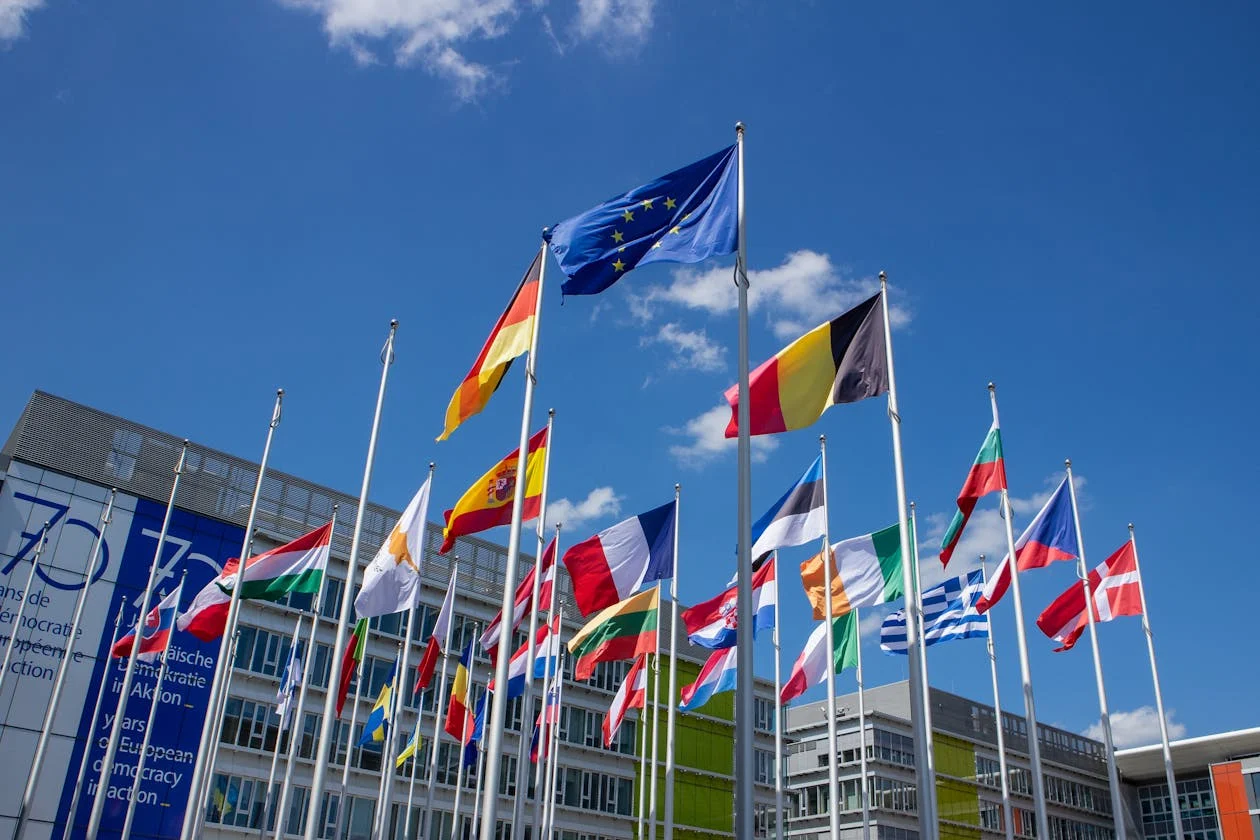
Brussels Crosses the Rubicon: EU Designates Iran's Revolutionary Guard as Terrorist Organisation
After years of hesitation, Europe's foreign ministers unanimously blacklist the IRGC following Tehran's bloody crackdown on protesters.
6 min read
When Justice Feels Like an Insult: Italy's Fury at Switzerland
40 dead in a New Year's fire. The bar owner walks free on bail. And now, a diplomatic crisis between two Alpine neighbors.
3 min readComments (0)
Loading comments...