Europe's Gas Reserves Fall to Critical Lows as Winter Cold Depletes Storage Faster Than Expected
Underground gas storage across Europe has fallen to 32.5% capacity, with Germany at 22.3% and the Netherlands at just 13.7%, marking historic lows for mid-February and driving prices higher.
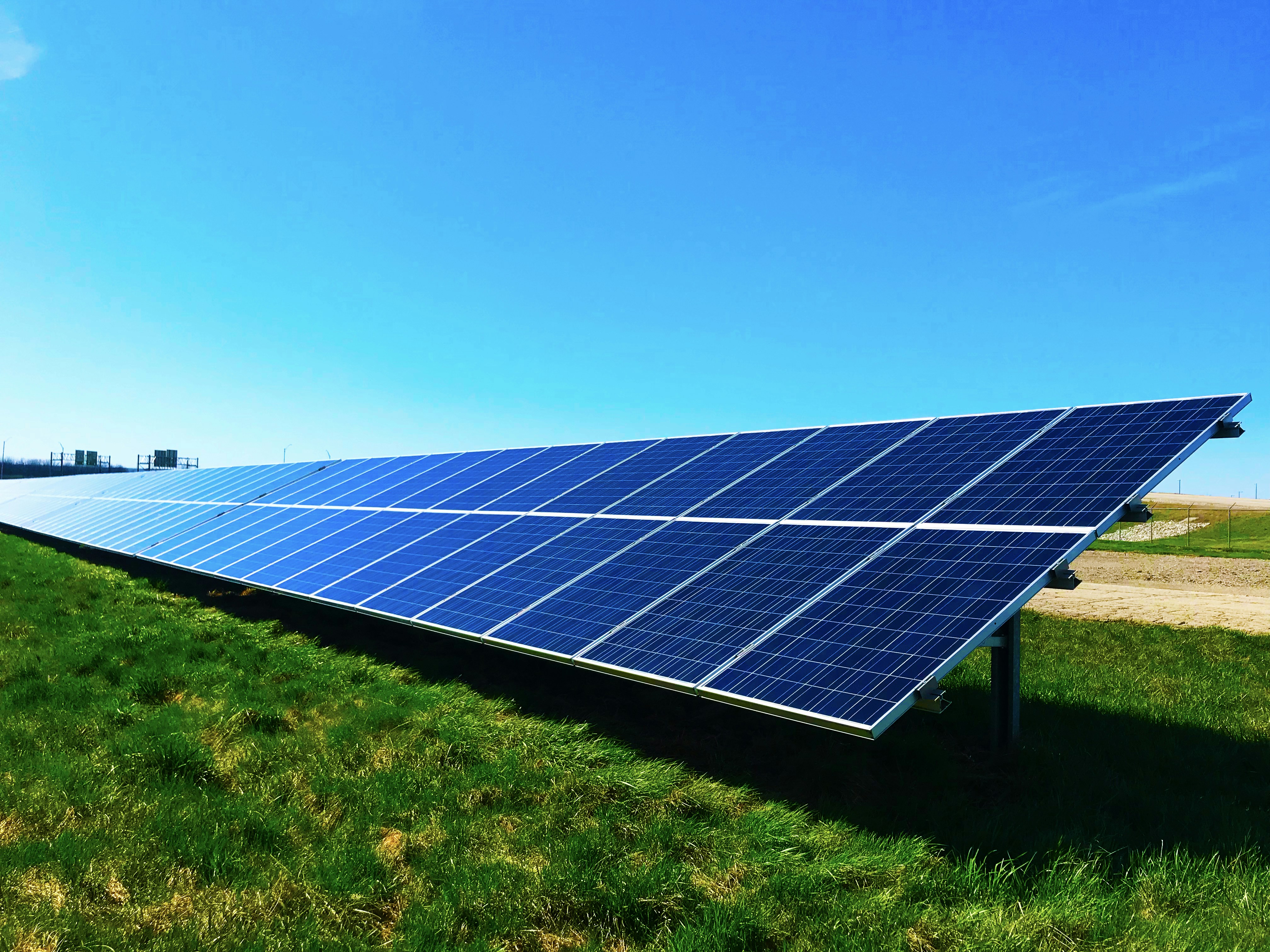
Europe's natural gas reserves have fallen to critically low levels as cold winter temperatures drive consumption faster than anticipated, with storage facilities across the continent now below one-third capacity.
Historic Lows
According to Gas Infrastructure Europe (GIE), reserves in Europe's underground storage facilities (UGS) stood at 32.5% as of February 18, 2026. This represents a significant drop below the 10-year average of 50-58% typically seen in mid-February.
Key countries are experiencing particularly acute shortfalls: Germany has fallen to 22.3%, France to 23%, and the Netherlands to just 13.7%. All the gas pumped into storage during summer 2025 has already been consumed, with facilities now drawing from older reserves.
Price Pressures
The supply concerns have pushed gas prices higher. TTF futures, the European benchmark, reached €33.7 per megawatt-hour, gaining 5.7% in a single day. The increase is driven by storage shortfalls, Middle East tensions affecting LNG supplies, and continued cold weather forecasts.
Analysts warn that storage levels could drop to 20-30% by the end of the withdrawal season in April if current consumption patterns continue.
Dutch Vulnerability
The Netherlands' particularly low storage level of 13.7% reflects the country's complete phase-out of domestic production from the Groningen gas field, once Europe's largest. The decision to end extraction due to earthquake risks has left the country more dependent on imports than ever before.
Dutch officials have emphasized the need to accelerate renewable energy deployment and energy efficiency measures to reduce gas dependency. However, these long-term solutions offer little relief for the current winter crisis.
Policy Implications
The storage crisis adds pressure to ongoing EU debates about energy security and the pace of the green transition. Some officials have called for temporary measures to ensure supply security, while environmental groups warn against using the situation to slow decarbonization efforts.
The incoming Dutch government under Rob Jetten has committed to maintaining ambitious climate targets while ensuring energy security, a balance that will be tested by the current supply constraints.
Share this article
Mr. Squorum
Senior Political Correspondent
Political analyst specializing in Dutch-EU relations and European affairs.
Related Articles
Slovakia Threatens to Cut Electricity Supply to Ukraine as Fico Escalates Energy Dispute
Slovak Prime Minister announces plans to halt electricity transmission to Ukraine from Monday, escalating tensions with Kyiv over energy transit issues.
4 min read
Italian Olive Oil Farmers Say Tunisian Imports Are Destroying Ancient Traditions
Italian olive farmers warn that a flood of cheaper Tunisian imports is causing prices to collapse below production costs, threatening family farms that have operated for generations. The crisis reignites debates about EU trade policy and agricultural protection.
5 min readComments (0)
Loading comments...