Italian Olive Oil Farmers Say Tunisian Imports Are Destroying Ancient Traditions
Italian olive farmers warn that a flood of cheaper Tunisian imports is causing prices to collapse below production costs, threatening family farms that have operated for generations. The crisis reignites debates about EU trade policy and agricultural protection.
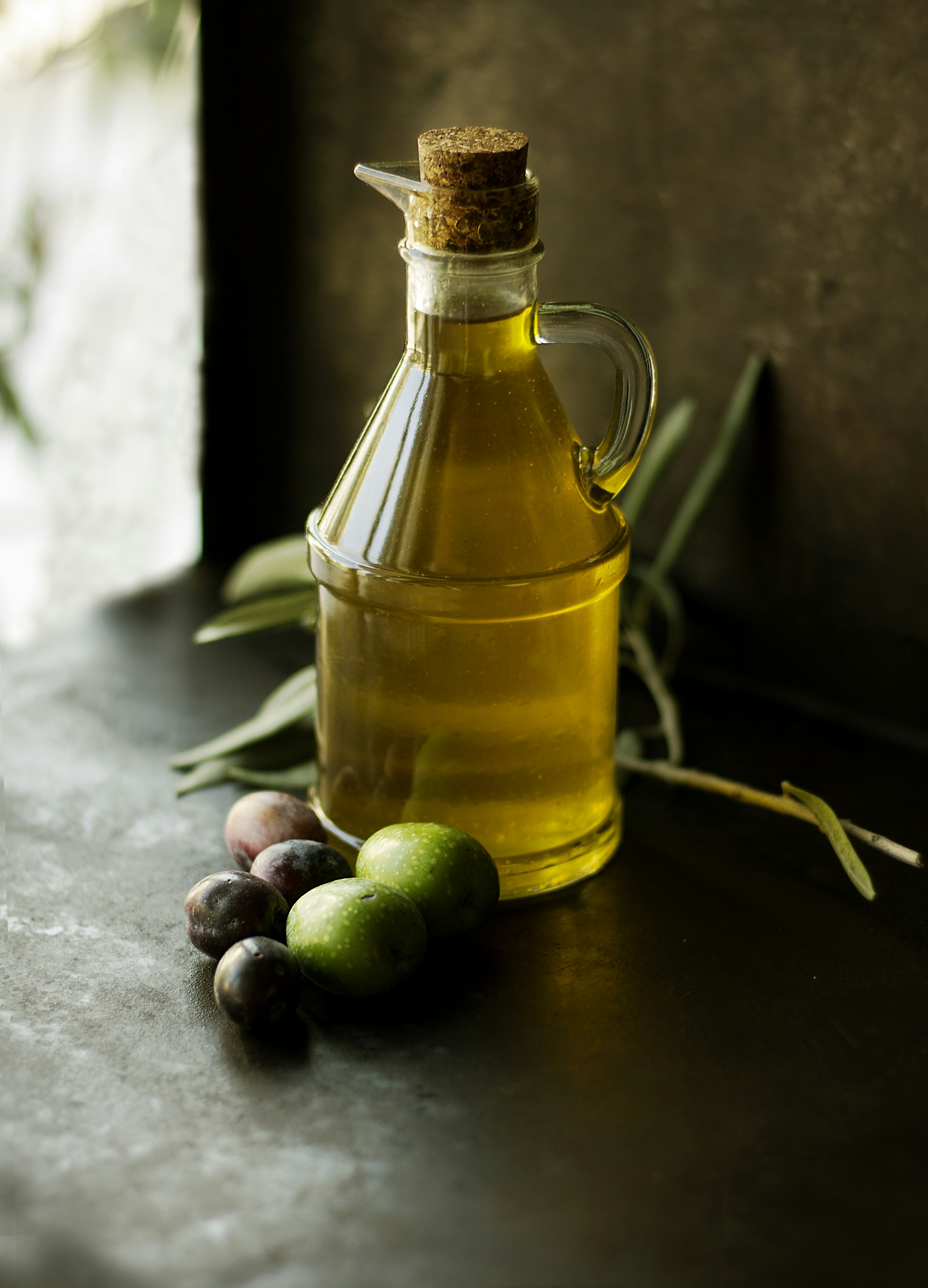
Italian olive oil farmers are warning of an impending price collapse that threatens to destroy the country's ancient production traditions, as cheaper imports from Tunisia and other North African countries flood European markets. The crisis has prompted calls for emergency EU intervention and reignited debates about agricultural protection in a bloc committed to free trade principles.
Coldiretti, Italy's largest agricultural association, reports that olive oil prices paid to farmers have dropped 40% over the past year, with many producers now selling at prices below production costs. The situation is particularly acute in Puglia, which produces approximately 40% of Italian olive oil and where family farms that have operated for generations face potential bankruptcy.
The immediate cause is a surge in Tunisian olive oil imports, which benefit from duty-free access to EU markets under trade agreements designed to support North African economic development. Tunisian production has expanded dramatically in recent years, with modern farms and processing facilities that operate at lower costs than traditional Italian producers.
The Economics of Olive Oil
Italian olive oil carries a premium in global markets, prized for quality and heritage that justify higher prices. But that premium depends on consumers being able to distinguish Italian products from cheaper alternatives. Labeling regulations allow blending of oils from different origins under Italian brand names, creating confusion that undermines the value of genuine Italian production.
Production costs in Italy reflect the country's labor regulations, environmental standards, and geographic constraints. Puglia's ancient olive groves, some with trees over 1,000 years old, cannot be harvested with the efficiency of Tunisian plantations designed for mechanical production. Italian farmers accept lower yields in exchange for quality that discerning consumers once rewarded.
The market no longer rewards that quality as reliably as it once did. Supermarket buyers prioritize price over provenance. Restaurant chains seek consistent supply at predictable costs. Industrial food producers need olive oil as an ingredient rather than a featured product. These customers buy on price, and Tunisian oil wins on price.
Coldiretti estimates that at current prices, approximately 30% of Italian olive oil producers will abandon production within two years. The social consequences would be severe in regions where olive farming provides employment and maintains cultural landscapes that attract tourists. Abandoned olive groves do not simply revert to nature; they become fire hazards and erosion risks that require ongoing management someone must pay for.
The EU Policy Dilemma
European trade policy explicitly encourages imports from developing countries as a tool for economic development and geopolitical influence. Tunisia's duty-free access to EU markets was designed to support the country's transition following the Arab Spring and reduce migration pressure by creating economic opportunities at home.
These objectives conflict with protecting European farmers from competition enabled by the same trade agreements. The EU cannot simultaneously promote free trade with Tunisia and shield Italian olive farmers from Tunisian competition. Policymakers must choose which priority prevails, a choice they have historically avoided by allowing both policies to coexist in contradiction.
Italian agricultural minister Francesco Lollobrigida has requested emergency EU intervention including temporary import restrictions, origin labeling requirements, and compensation for farmers forced to sell below cost. The Commission has received the request but has not indicated whether it will act. Similar requests from other agricultural sectors have historically received sympathetic hearings followed by limited action.
The challenge is that restricting Tunisian imports would damage relations with a country Europe wants to keep stable and oriented toward partnership rather than resentment. Tunisia's economy depends significantly on olive oil exports; blocking those exports could destabilize a government Europe has worked to support. The geopolitical cost of agricultural protection may exceed the economic cost of allowing Italian farmers to fail.
Dutch Connections
The Netherlands plays an unexpected role in European olive oil markets. Rotterdam handles significant olive oil imports, with Dutch traders buying bulk oil from various origins and selling it throughout Europe. This intermediary function gives Dutch companies insight into market dynamics that affect Italian producers.
Dutch consumers have limited direct stake in Italian olive oil production, but the agricultural policy debates resonate with Dutch farmers who face similar pressures. Cheap imports from outside Europe consistently undercut European producers who operate under stricter regulations. Whether the product is olive oil, poultry, or sugar, the pattern repeats: European standards increase costs that imports from less regulated markets avoid.
The Dutch government has generally favored free trade policies that benefit its trading economy, putting it at odds with protectionist impulses in France, Italy, and other agricultural powerhouses. These disagreements complicate EU responses to crises like the olive oil collapse, as member states pursue conflicting interests through common institutions.
What Farmers Are Doing
Some Italian producers are adapting by emphasizing premium positioning that justifies higher prices. Organic certification, protected designation of origin labels, and direct-to-consumer sales allow committed producers to capture value that commodity markets no longer provide. These strategies work for some farmers but cannot absorb the entire industry.
Other producers are diversifying into agritourism, using olive groves as backdrops for experiences that generate revenue independent of oil prices. Visitors pay to tour ancient groves, participate in harvests, and taste oils in atmospheric settings. The experience economy values authenticity that Italian farms can provide, even when commodity markets do not.
Younger farmers face the hardest choices. Inheriting family operations that no longer generate sustainable income, they must decide whether to invest in transformation, seek off-farm employment while maintaining minimal production, or abandon farming entirely. The romantic appeal of olive farming fades when mortgage payments come due and markets offer prices that cannot cover costs.
The Broader Pattern
Italian olive oil joins a list of European agricultural products struggling with global competition. French wine faces pressure from New World producers. Belgian endive competes with hydroponically grown alternatives. German dairy confronts milk powder from New Zealand. The common thread is European production costs that exceed what global markets will pay.
Europe has historically responded to such pressures with the Common Agricultural Policy, which provides subsidies that compensate farmers for what markets do not. But CAP resources are finite and increasingly directed toward environmental objectives rather than income support. Olive farmers cannot assume that European taxpayers will indefinitely subsidize production that markets do not value.
The alternative is accepting that some European agricultural traditions will not survive market forces. Ancient olive groves may become historical curiosities rather than productive enterprises. Family farms that operated for centuries may close within a generation. Cultural landscapes shaped by agriculture may transform as farming retreats from uncompetitive regions.
This prospect troubles Europeans who value agricultural heritage for reasons beyond economics. Olive groves represent continuity with ancient Mediterranean civilizations. Family farms embody values of stewardship and intergenerational responsibility. Rural landscapes provide aesthetic and recreational benefits that market prices do not capture. Losing these things would impoverish Europe in ways that GDP figures would not reflect.
What Happens Next
The immediate outlook remains grim for Italian olive farmers. Tunisian exports show no sign of slowing. European policy shows no sign of changing. Consumer behavior shows no sign of shifting toward premium products at premium prices. The pressures that created the current crisis will likely intensify before they ease.
Some farmers will survive through adaptation, premium positioning, and diversification. Others will exit the industry, selling land to developers or larger operations or simply abandoning cultivation. The industry that emerges from this crisis will be smaller, more concentrated, and less connected to the traditional practices that defined Italian olive oil for millennia.
European policymakers will eventually face choices they have deferred. They can protect traditional agriculture through trade restrictions that conflict with development objectives and invite retaliation. They can subsidize farmers through transfers that strain budgets and face political resistance. Or they can accept agricultural decline as the price of other priorities. None of these options is costless, and all involve tradeoffs that politics struggles to manage honestly.
For now, Italian farmers wait for help that may not come, watching prices that do not cover costs, wondering whether traditions their grandparents maintained will survive their own generation. The olive groves remain, ancient trees that have outlasted empires and will outlast the current crisis. Whether anyone will harvest their fruit is the question markets will answer.
Share this article
Mr. Squorum
Political Analyst
Political analyst specializing in Dutch-EU relations and European affairs.
Related Articles
Slovakia Threatens to Cut Electricity Supply to Ukraine as Fico Escalates Energy Dispute
Slovak Prime Minister announces plans to halt electricity transmission to Ukraine from Monday, escalating tensions with Kyiv over energy transit issues.
4 min read
Europe's Gas Reserves Fall to Critical Lows as Winter Cold Depletes Storage Faster Than Expected
Underground gas storage across Europe has fallen to 32.5% capacity, with Germany at 22.3% and the Netherlands at just 13.7%, marking historic lows for mid-February and driving prices higher.
4 min readComments (0)
Loading comments...